

Content Section

Monitoring glucose levels - continuous glucose monitoring

Monitor your glucose levels throughout the day

Continuous glucose monitoring is one of the latest advances in diabetes management.
What is continuous glucose monitoring

Continuous glucose monitoring (CGM) is one of the latest advancements in diabetes management.

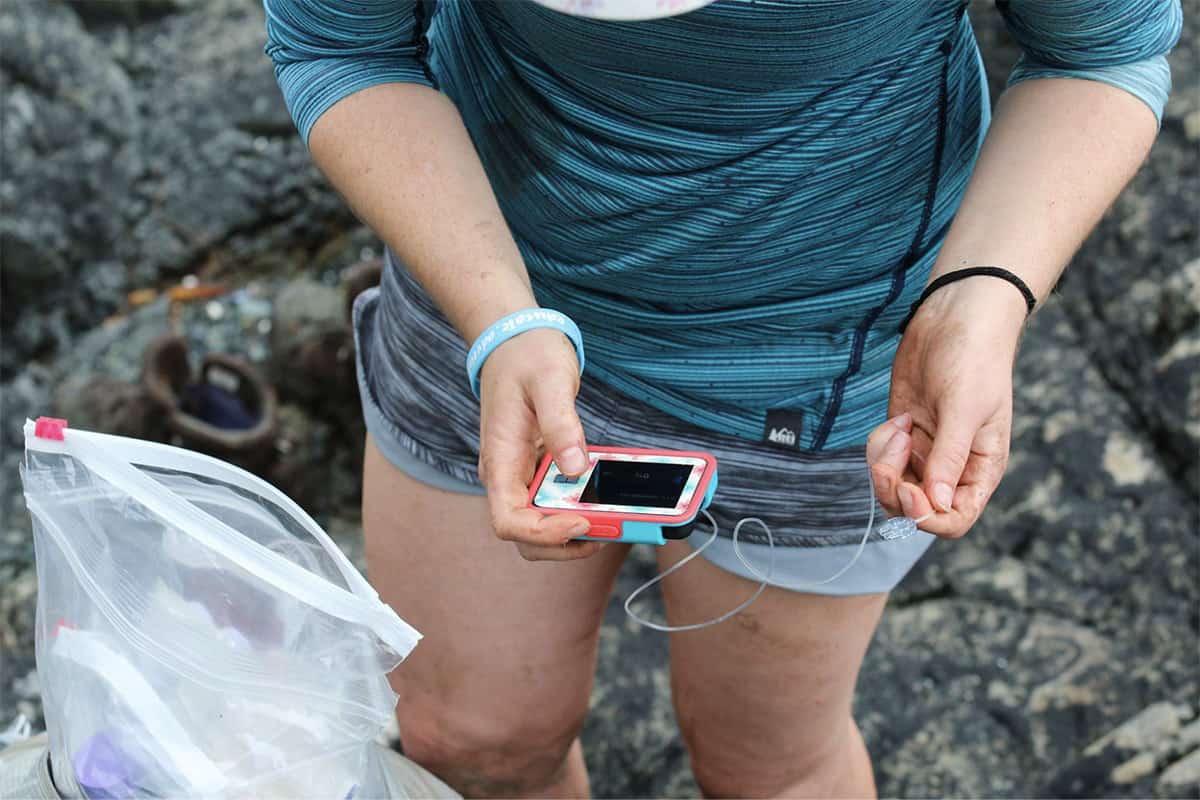
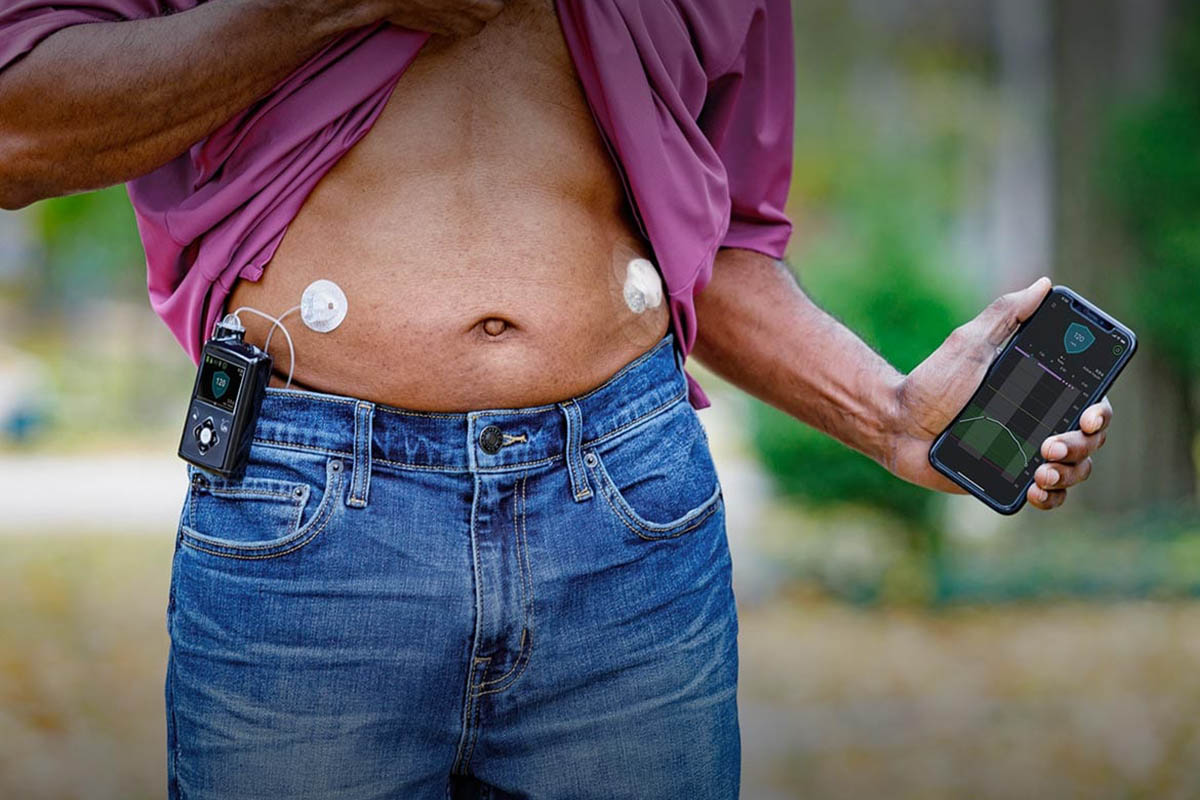
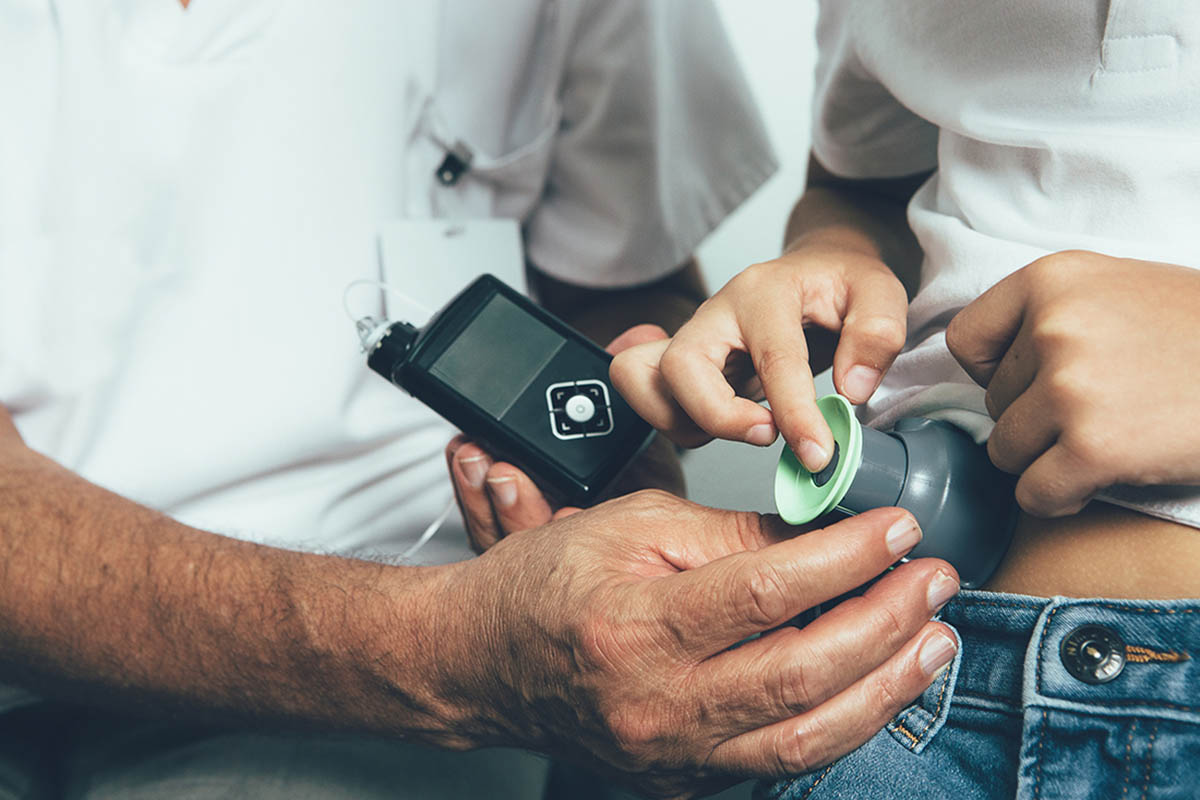
A continuous glucose monitor is a device that measures glucose levels throughout the day, including while you're sleeping. The monitor can provide up to 288 glucose measurements every 24 hours, meaning you're getting a much better idea of how your body's doing, minute by minute, hour by hour.

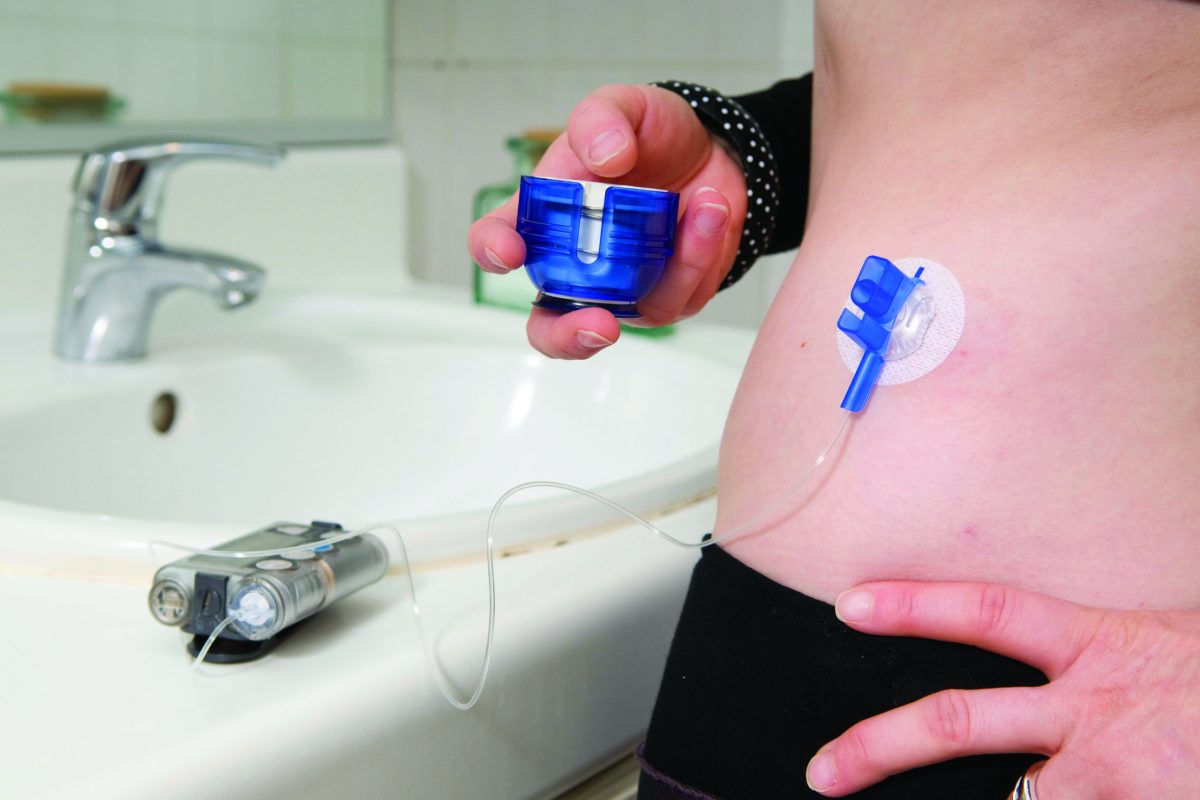
A CGM system involves a sensor which is placed in the subcutaneous space under the skin, and measures interstitial fluid in the subcutaneous space. The sensor reads the glucose level in the interstitial fluid (not the blood) and sends these measurements to a receiver worn by the user.

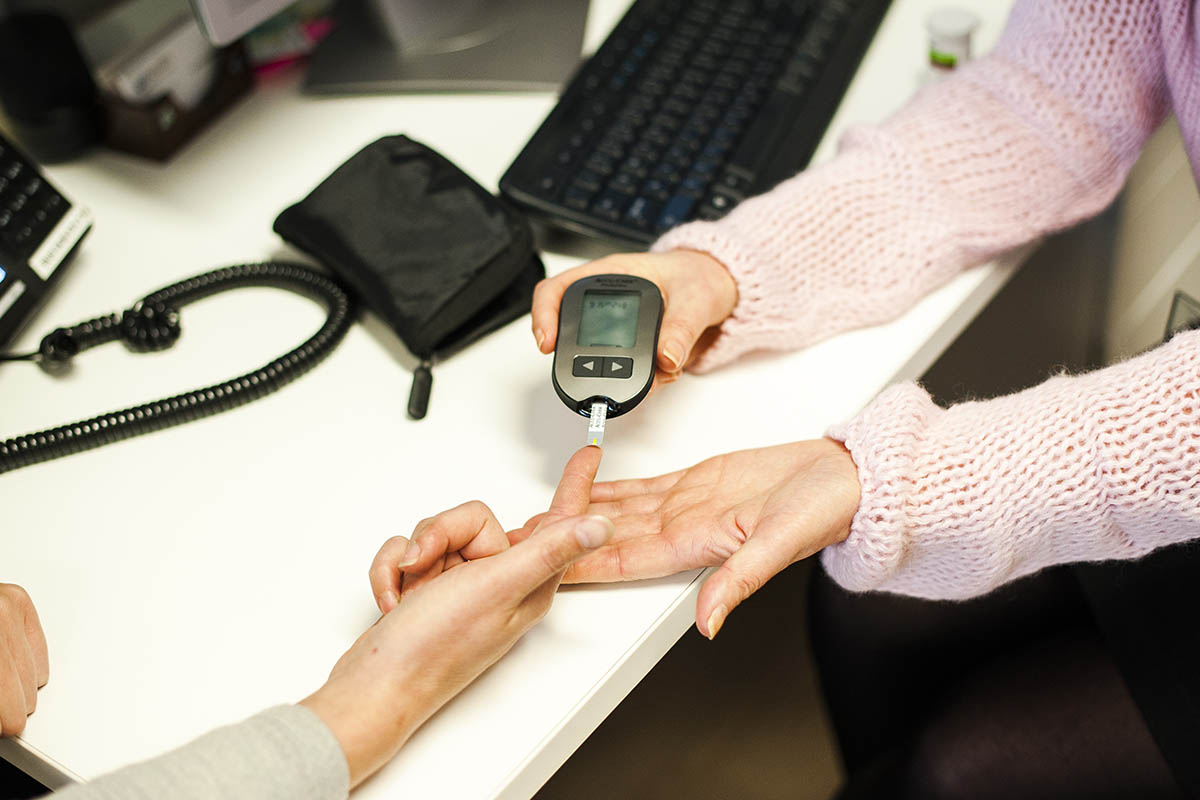
Compared to a traditional glucose meter test, which is a snapshot in time, CGM is a way to see what’s happening between individual glucose meter tests. That way, you can observe levels and patterns that may not have been detected before.


JDRF Trial shows outcomes vary by age group

One 2008 JDRF-funded trial* published in the New England Journal of Medicine reported some interesting findings of interest to all families affected by type 1 diabetes. As there has been limited evidence supporting the use of CGM systems, the authors evaluated the success of CGM systems on improving glycemic control in people with type 1 diabetes.


The primary outcome of the study was to assess change in A1C from baseline until 26 weeks. What did the researchers find? In the adult population (≥25 years of age), a statistically significant mean reduction in A1C of 0.53% was found in the group using the CGM device. No statistically significant reduction in mean A1C was seen in the younger age groups (8-24 years).


Although not designed to be specifically studied, there was speculation that the frequency of wear of the CGM contributed to the differences in A1C.


Despite encouragement to wear the system daily, only 83% of adult patients (≥25 years) wore the device for 6 or more days per week. In the younger age groups, only 50% of those 8 to 14 years and even less (30%) of those 15 to 24 years wore the device for 6 or more days per week.


The study was not designed to evaluate the rate of severe hypoglycemia, but there did not seem to be a statistically significant difference between those who wore the CGM versus those that did not.


Find out more

For more information on CGM, you can also visit the Children with Diabetes website at www.childrenwithdiabetes.com. Note: this link will take you to a website to which the Animas Canada Privacy Policy does not apply. Please be aware that we do not control other websites and that you are solely responsible for your interactions with such websites. We encourage you to read the privacy policy of every website you visit. In addition, products on this website may not be licenced for sale in Canada.


Children with Diabetes

http://www.childrenwithdiabetes.com


* JDRF Trial: Continuous Glucose Monitoring and Intensive Treatment of Type 1 Diabetes. New England Journal of Medicine; Vol 359: 1464-1476; Oct 2, 2008; Number 14

The information made available on the Animas Web site is not intended to be used or viewed as a substitute for consultation with a healthcare professional. The information provided on this site cannot be the basis for diagnosis or therapy. You are advised to obtain professional advice and should always discuss your treatment plan with your healthcare team.