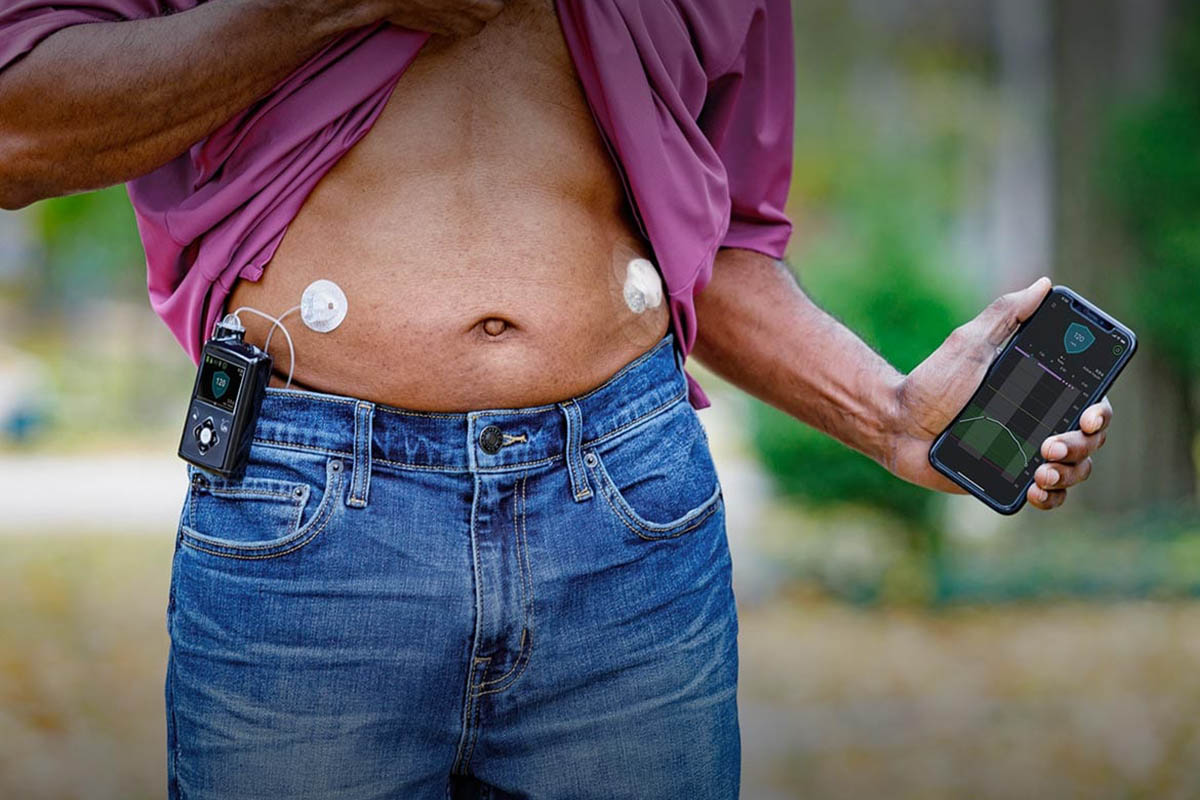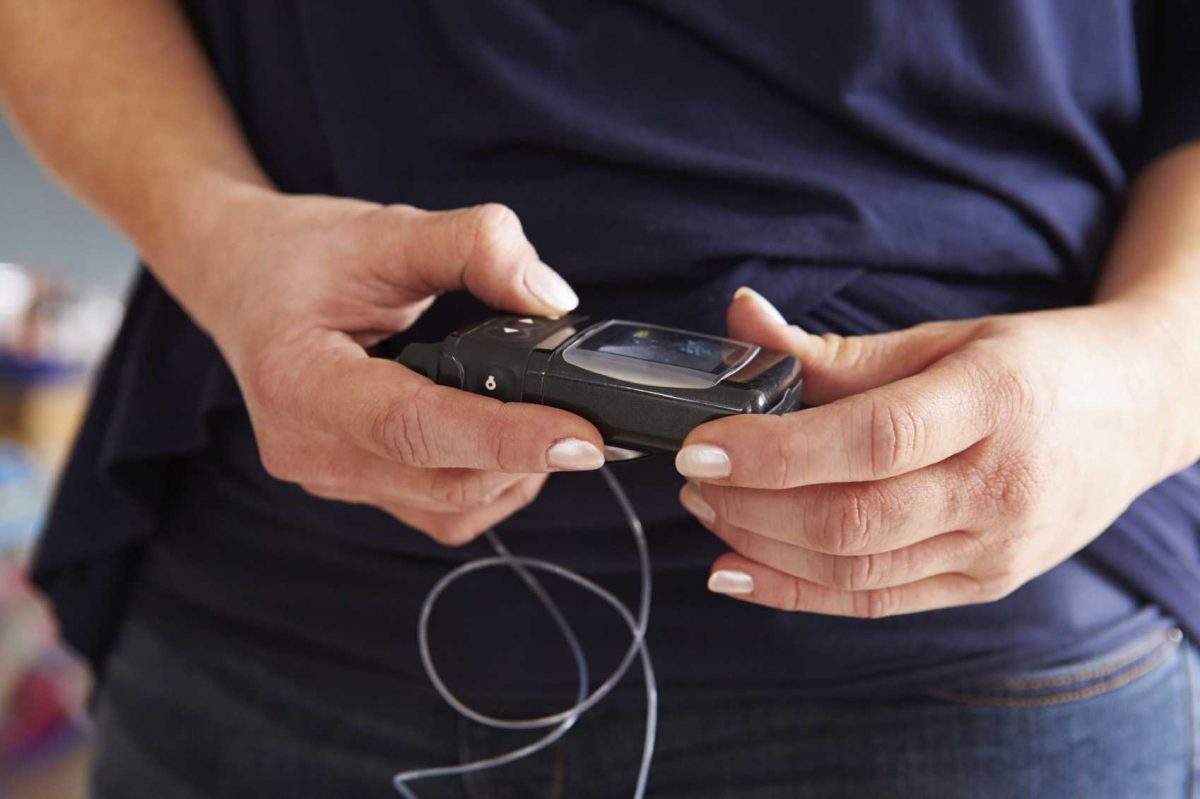

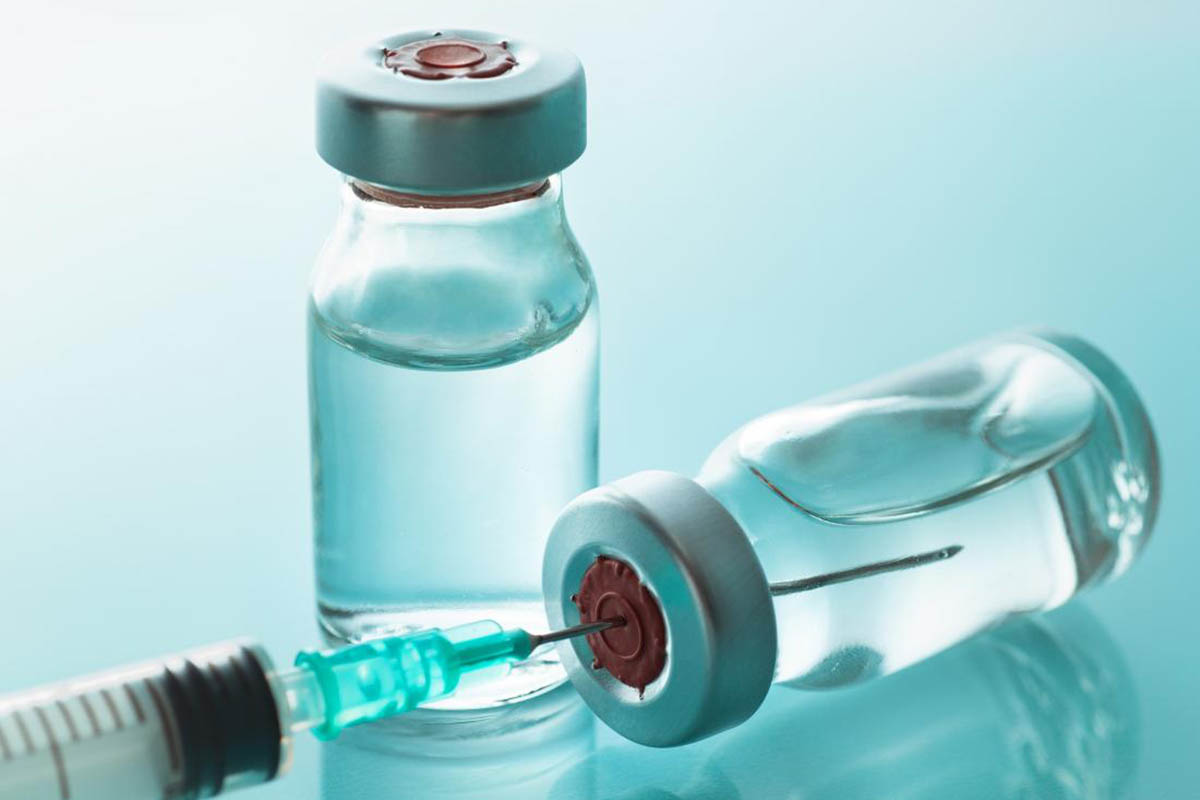

Insulin is necessary for the body to be able to correctly use blood glucose. Without insulin, blood glucose can't be used, so the body doesn't get the energy it needs, and blood glucose simply stays in the blood stream.
In a healthy person without diabetes, the pancreas produces small amounts of insulin 24 hours a day. This is called basal insulin. The amount varies throughout the day. The pancreas also secretes insulin in response to nutrients (particularly carbohydrate intake).
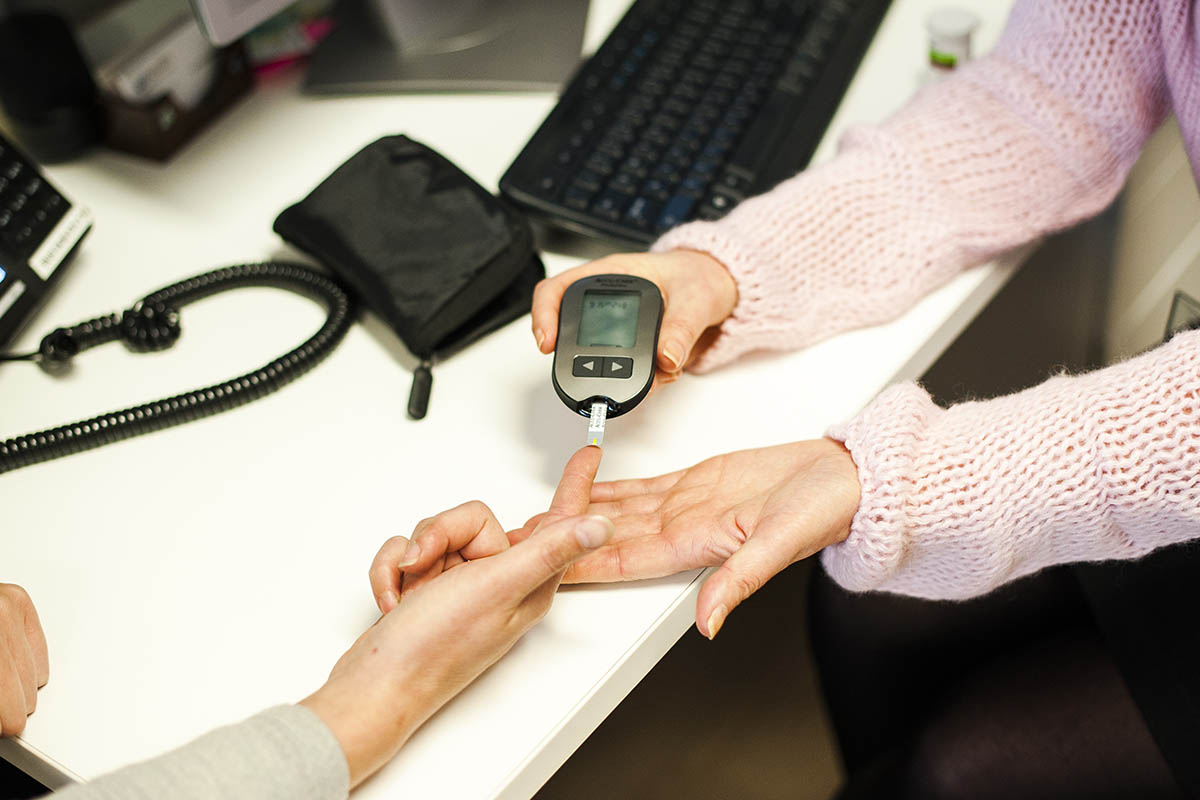
A normal blood glucose level—that is, in a healthy person without diabetes—is about
5.6 mmol/L. It’s not uncommon, however, for a person with type 1 diabetes to have blood glucose levels four to six times that amount at the time of diagnosis. These high blood glucose levels leave the person dehydrated, thirsty, hungry, rapidly losing weight, drowsy and often nauseated. In extreme cases, a person might become unconscious. A resulting condition called diabetic ketoacidosis, if not treated immediately, can even lead to death.
When you have type 1 diabetes, you must inject insulin because your body no longer produces its own insulin. Insulin is created in the pancreas by cells called beta cells. When a person develops type 1 diabetes, these beta cells are being destroyed through an
autoimmune response.
The information made available on the Animas website is not intended to be used or viewed as a substitute for consultation with a healthcare professional. The information provided on this site cannot be the basis for diagnosis or therapy. You are advised to obtain professional advice and should always discuss your treatment plan with your healthcare team.